
Light Commercial Heating & Cooling in Lowell
For small businesses, storefronts, offices and the owners of multi-family buildings.
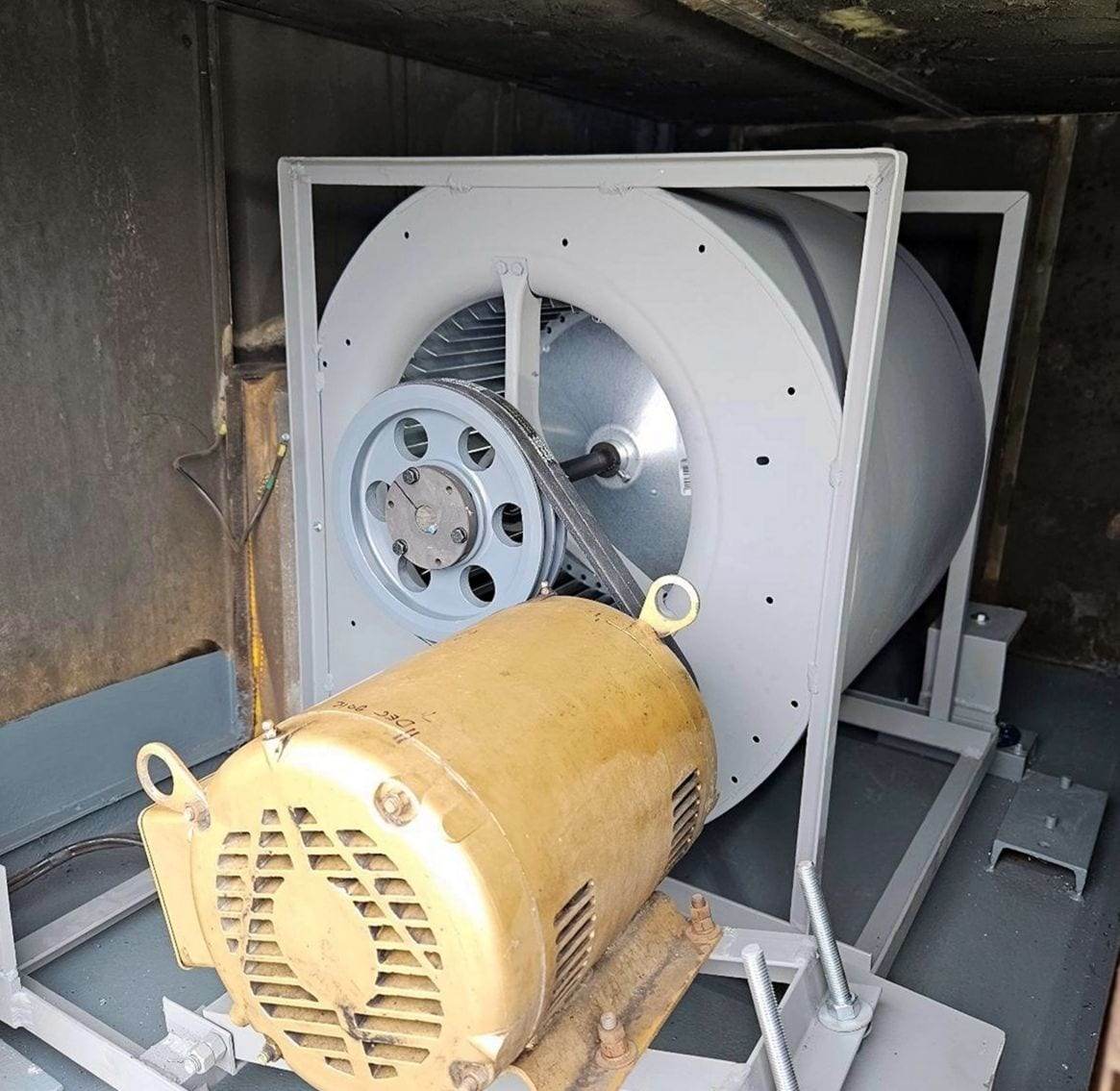
Since 2005 our customers have included small businesses as well as homeowners. Light commercial work covers the buildings between a house and a big commercial plant: a storefront with apartments upstairs, a small office, a restaurant's dining room, a church hall, or a triple-decker owned by a landlord who lives across town. The equipment is often a size up from residential, and the stakes are different. A dead air conditioner in a shop on a July afternoon costs customers, and no heat in a rental is a call from three tenants at once.
We bring the same approach as at home: someone who knows HVAC answers, asks the right questions and gives you an honest estimate. Our technicians show up on time, explain what is going on in plain language and will not push a replacement you do not need.
Equipment we see in small commercial buildings
| Equipment | Where it is common | What needs regular attention |
|---|---|---|
| Rooftop packaged units | Single-story retail, offices, strip buildings | Filters, belts, economizer dampers, condensate drains, burner and heat exchanger |
| Split systems | Offices and shops with a back room, basement or attic | Coil cleaning, refrigerant charge, drains and float switches |
| Belt-drive air handlers | Open sales floors, halls and older buildings | Belt tension and wear, pulley alignment, bearings, motor current |
| Boilers | Mixed-use and multi-family buildings | Combustion test, low-water cutoff, pumps, controls, relief valves |
| Unit heaters | Garages, workshops, back storage rooms | Burner, venting, heat exchanger and fan |
| Ductless systems | Server closets, small offices, additions | Filters, coil and blower wheel cleaning, drain lines |
Working around your business hours
Our working hours are Mon–Fri 6:30 am–10:00 pm and Sat–Sun 7:00 am–10:30 pm. Those early mornings and late evenings are useful when the work cannot happen in front of customers: a rooftop unit replacement before a shop opens, a boiler repair after an office empties out, or a tune-up on a Sunday. Urgent problems in peak summer and winter weeks are fitted in as quickly as possible.
For landlords and property managers
- Keep a simple record for each unit: equipment, age, filter size and the last service date.
- Change filters on a schedule rather than waiting for complaints; tenants rarely do it.
- Make sure every apartment has working carbon monoxide and smoke alarms.
- Book heating tune-ups before the heating season, when access is easiest to arrange.
- Give tenants one number to call and a clear way to report problems.
The state sanitary code sets minimum indoor temperatures for rented apartments during the heating season: 68°F during the day and 64°F at night from September 15 through June 15. A boiler that is serviced before the first cold night is the easiest way to stay on the right side of that.
Seasonal maintenance for a building
The same calendar that works for a house works for a building, with more equipment on the list: cooling checks in spring, heating checks in late summer or fall, and filters and belts on a regular schedule in between. See the maintenance page for what each tune-up covers.
Light commercial questions
Do you work on rooftop units?
Yes. Packaged rooftop units, with gas heat and electric cooling in one cabinet, are the most common equipment on single-story retail and office buildings, and they are part of the light commercial work we do: repairs, seasonal maintenance and replacements.
Can you work outside our business hours?
Our hours run from 6:30 in the morning on weekdays and until 10:30 at night on weekends, so many visits can be scheduled before you open or after you close. Tell us when the space is quiet, and we will plan around it.
Do you service multi-family rental buildings?
Yes, from triple-deckers with a boiler per apartment to small buildings with a shared heating plant. We coordinate access with the owner or manager and tell you what we found and did in each apartment.
What should we have ready for the first visit?
A list of the equipment and where it is, how to reach the roof or mechanical room, any past service records, and who to call for access. If tenants or staff have been complaining about specific rooms, note those too.